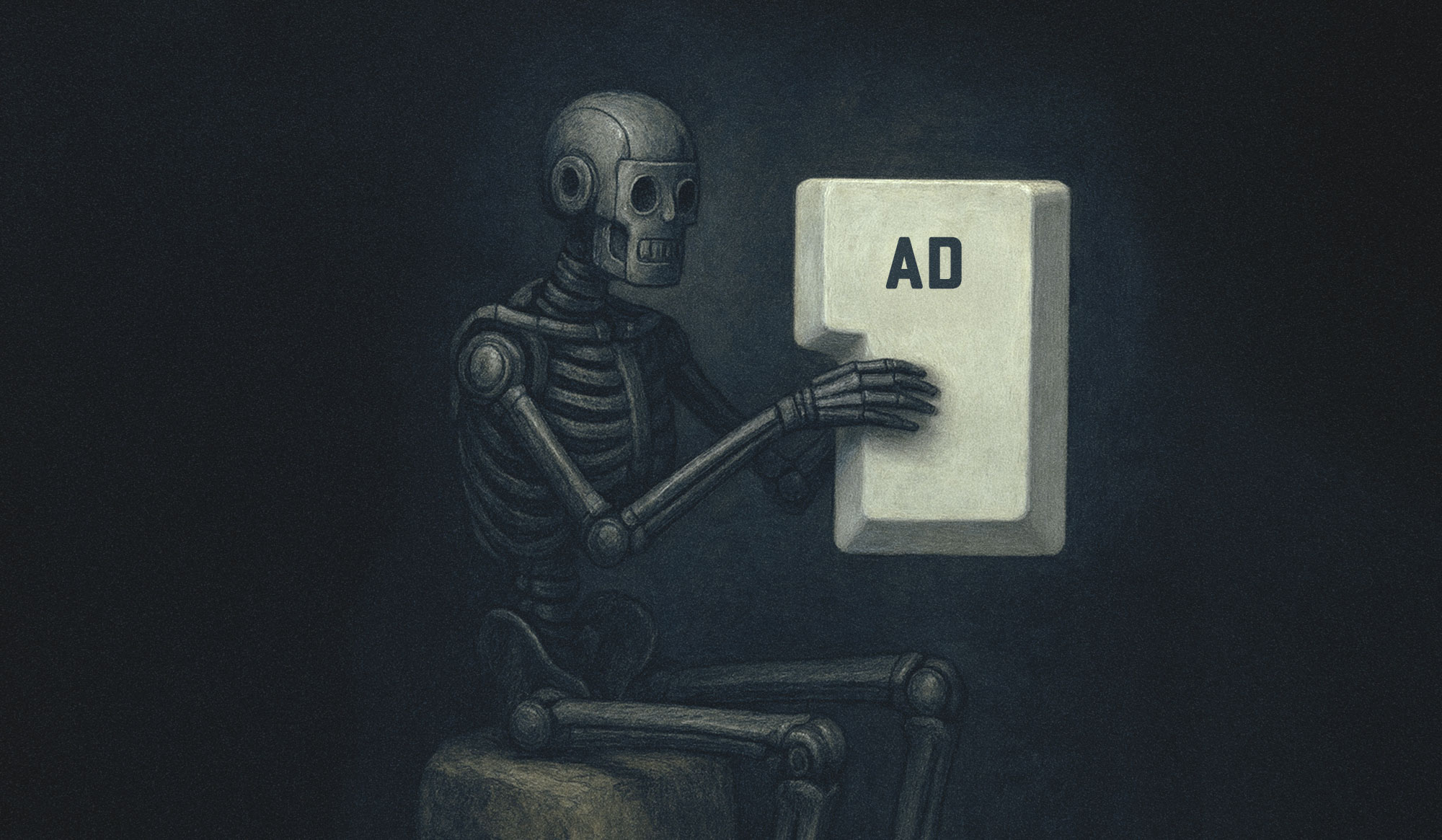
As marketers began mapping out strategies to turn chatbots into brand-building machines, OpenAI made it clear that the honeymoon was over. The company confirmed that advertising will begin rolling out on ChatGPT in the United States in the coming weeks.
That doesn’t mean marketers need to throw out everything they’ve learned about expressing themselves naturally in conversation. These early experiments are likely to be a stepping stone to what comes next. This transition is more pragmatic than existential. The next stage will come with pricing and media plans.
“Our approach to paid advertising will build on GEO’s expertise, which we have already applied to help clients structure clear, authoritative, machine-readable content so our AI systems can accurately understand your brand and help it surface in relevant conversations,” said Paula Hijosa, AI and Performance Lead at Space & Time.
The logic is simple. The same user intent that brands seek to capture organically within ChatGPT will inevitably be broadly monetized. All of the humble groundwork over the past two years (cleaner data, consistent messaging, learning how the model interprets everything) is a rehearsal for paid campaigns on a chat-first internet. First marketers learn how to make recommendations naturally. And they decide when it makes sense to join the conversation.
“The native experience will be conversational,” said Isabel Perry, the department’s executive vice president of global strategy. “It would be very strange if a brand didn’t support conversation.”
If that assumption holds true, future testing could be fruitful. OpenAI announced that ads will be “clearly labeled and separated from organic responses,” but users will be able to choose whether to see more or fewer ads in the future. The platform also emphasized that ads will not be shown to users under 18 and are not eligible to appear next to sensitive or regulated topics such as health, mental health or politics. An example of this early iteration that was shared was an embedded sponsored post for a grocery store that featured ready-to-buy items.
“For me, this is a mindset issue,” says Chris Pearce, managing director of search and social agency GreenPark. “ChatGPT advertising will reward brands that already have strong AI trust, category authority, and AI-enabled narratives. Just as SEO and PPC work well together when considered holistically, the duality of organic LLM visibility and paid advertising needs to be planned and executed as one harmonious approach. One needs to enhance the other, or your brand will cease to exist as far as ChatGPT is concerned.”
That’s why much of the current competition within agencies is aimed at preparing marketers for questions they haven’t had to consider before. When ads arrive on ChatGPT, brands will bid to participate in AI conversions, compete to have their agents answer questions, and compete to serve directly within the interface. This is a completely different game than banners, search ads, and social posts, and requires new intuition to match.
Moreover, the learning curve doesn’t stop there. Instead, the future will be a convergence of advertising, transactions, and actual service delivery.
Perry explains: “Advertising will be more than just views and bidding on impressions. No, advertising will encompass commerce and ultimately the services layer.”
OpenAI alluded to this in its announcement, noting that conversational interfaces open the door to experiences that go beyond static messages and links. The company says users will soon see an ad and immediately ask the questions necessary to make a purchasing decision, without leaving the conversation.
“The key question for marketers is whether conversational interfaces can support long-term brand building alongside performance outcomes, rather than short-term specific formats. It will depend on how these environments balance user trust, transparency and creativity, and whether advertising is positioned to add value to the experience rather than distract from it,” said John Mew, CEO of IAB UK.
Until now, marketers have treated AI like a new kind of search engine. Over the past two years, marketing teams have launched so-called generation engine optimization pilots to test prompts and try to influence how models recommend products. That work is important, but it’s no longer enough. If anything, it’s a baseline for marketers to navigate major changes in advertising.
AI assistants are not news feeds or results pages. Recognized as an advisor. When a chatbot provides a confident recommendation, users assume its answers are unbiased. Introducing paid influence into that interaction risks undermining the trust that makes the experience so beneficial in the first place. That’s why much of the early research was focused on understanding the questions that underpin that dynamic. How do LLMs currently represent their models? Why do these models favor certain messages and competitors? Which problems can be solved organically through better content and distribution, and where placements ultimately play a complementary role?
“The real question in 2026 is not, ‘How do we advertise with AI?’ but, ‘Why does AI recommend us in the first place?’” says Lucy Robertson, global head of brand marketing at Buttermilk. are much more likely to emerge in the responses they generate.”
Agen Togel Terpercaya
Bandar Togel
Sabung Ayam Online
Berita Terkini
Artikel Terbaru
Berita Terbaru
Penerbangan
Berita Politik
Berita Politik
Software
Software Download
Download Aplikasi
Berita Terkini
News
Jasa PBN
Jasa Artikel
News
Breaking News
Berita