

Impact of sporting events on the environment
Sports have always played an important role in our society, bringing people together and fostering a sense of community and competition. Whether it’s the excitement of the World Cup, the excitement of the Super Bowl, or the excitement of the Olympics, sporting events capture our attention on a global scale. However, as we become increasingly aware of our impact on the environment, it has become important to investigate the environmental impact of these events. This blog examines the environmental impact of sporting events, from the carbon footprint of travel to stadium construction and waste management, and discusses how these events can be made more sustainable.
Transport and carbon emissions
Transport-related carbon emissions associated with sporting events have emerged as a significant environmental issue. These events draw fans, athletes, and staff from around the world, leading to a significant spike in greenhouse gas emissions, especially from air travel. However, event organizers are increasingly adopting measures to curb these emissions and promote sustainability.
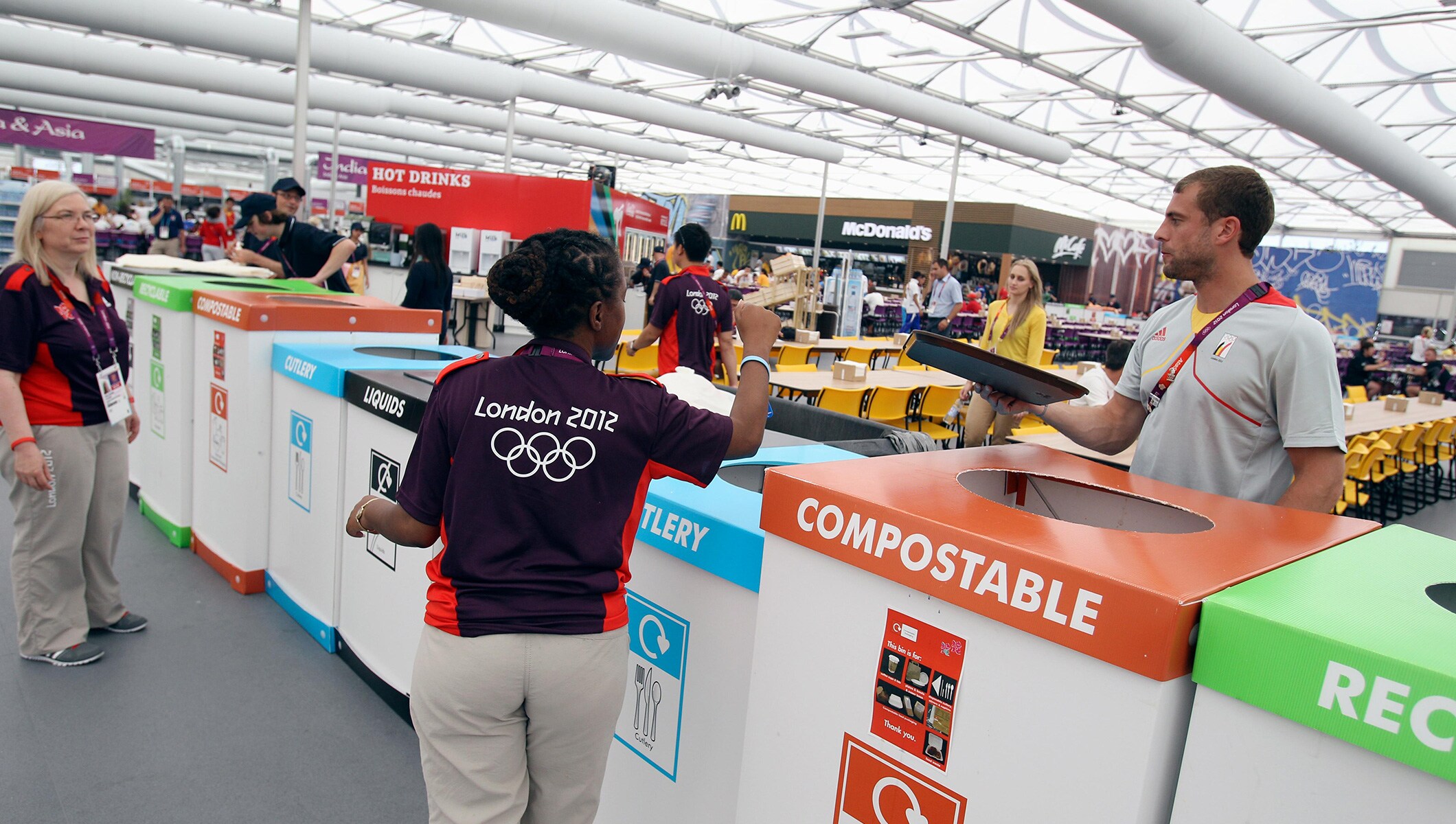
One notable example is the 2012 London Olympics. At the Olympics, organizers made a concerted effort to reduce the event’s carbon footprint. They encouraged the use of public transport by providing free travel cards to spectators, resulting in a 28% reduction in the number of cars on the roads during the tournament. Additionally, we expanded bicycle lanes and introduced a bicycle sharing system to encourage commuting to environmentally friendly venues.
Some sporting events are taking their sustainability efforts even further. For example, the Super Bowl has a carbon offset program in place. In 2020, Miami’s Super Bowl LIV partnered with South Florida-based Super Bowl. “From the Sea to the Everglades” A reforestation initiative to plant thousands of trees to offset emissions associated with the event.
Additionally, Formula E, a motorsport championship focused on electric vehicles, serves as an exemplary case. The entire competition is focused on sustainability, with races held in city centers to minimize travel and encourage the use of electric vehicles. Formula E actively promotes renewable energy and has set its sights on becoming a completely carbon-neutral sport.
These examples show that organizers of sporting events are becoming increasingly aware of their environmental impact. By implementing measures such as promoting sustainable transport, reducing waste and investing in carbon offsets, companies are taking meaningful steps towards reducing carbon emissions and leaving a positive legacy for the planet.
Venue construction and infrastructure
The construction and maintenance of sports venues has a significant impact on the environment due to the extensive use of resources such as concrete, steel and energy. To address this, many organizations are turning to sustainable solutions and repurposing existing venues. Real examples and case studies illustrate the effectiveness of these approaches.
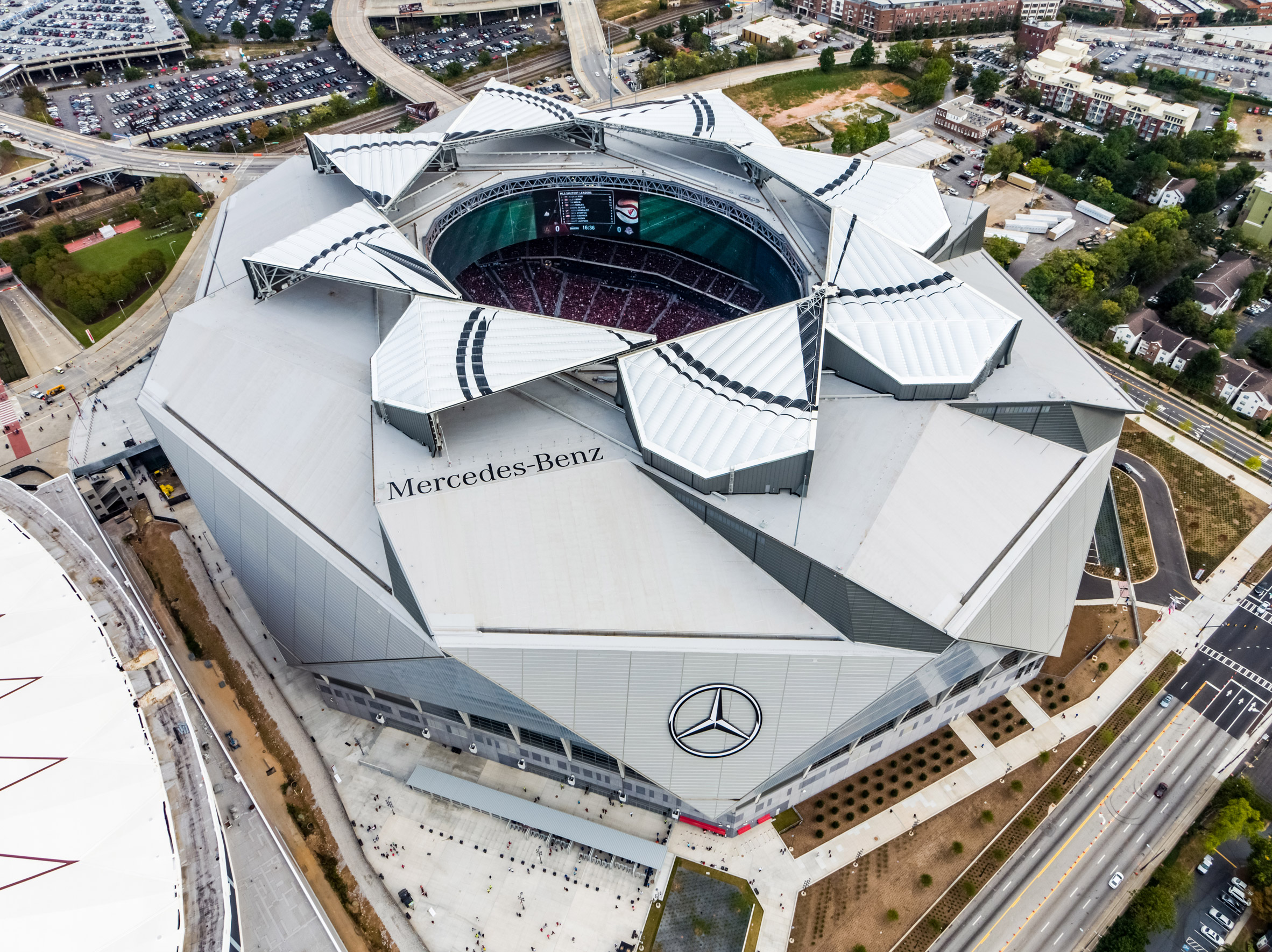
One notable example is Atlanta’s Mercedes-Benz Stadium, home of the NFL’s Atlanta Falcons and Major League Soccer’s Atlanta United. Rather than building a new stadium from scratch, the team chose to reuse the Georgia Dome, which had been demolished, to build the new stadium. This decision saved approximately 11,000 tons of steel and significantly reduced construction waste. Additionally, Mercedes-Benz Stadium has implemented several sustainable features, including a retractable roof with photovoltaic panels that harness solar energy, and a unique circular design that maximizes natural ventilation and reduces the need for artificial cooling. These sustainable choices have earned the stadium LEED Platinum certification, the highest environmental rating for buildings.
Another example is the Allianz Arena in Munich, Germany, home of FC Bayern Munich. The stadium boasts a façade made of inflated ETFE plastic panels that can be illuminated in a variety of colors. This innovative design reduces energy consumption by allowing natural light to penetrate the room during the day and using energy-efficient LED lights for nighttime illumination. Additionally, rainwater is collected and stored for irrigation purposes, reducing demand on local water supplies.
In the United States, Levi’s Stadium, home of the San Francisco 49ers, is a benchmark for sustainable sports venues. It features a green roof, which helps insulate the building and reduces the need for heating and cooling energy. Levi’s Stadium also provides on-site renewable energy generation through solar panels and preserves freshwater resources by using recycled water for landscaping and flushing toilets.
These examples show that by reusing existing venues and incorporating sustainable building practices, the environmental footprint of sports stadiums can be significantly reduced and set a positive trend for future construction projects.
Water use and management
Water management at sporting events is a major concern with far-reaching environmental impacts. Maintaining lush playing fields and providing amenities for spectators often requires the use of large amounts of water, which can be a significant challenge in water-stressed regions. Let’s take a closer look at some real-world examples and case studies to highlight the importance of addressing this issue and the solutions that have been implemented.
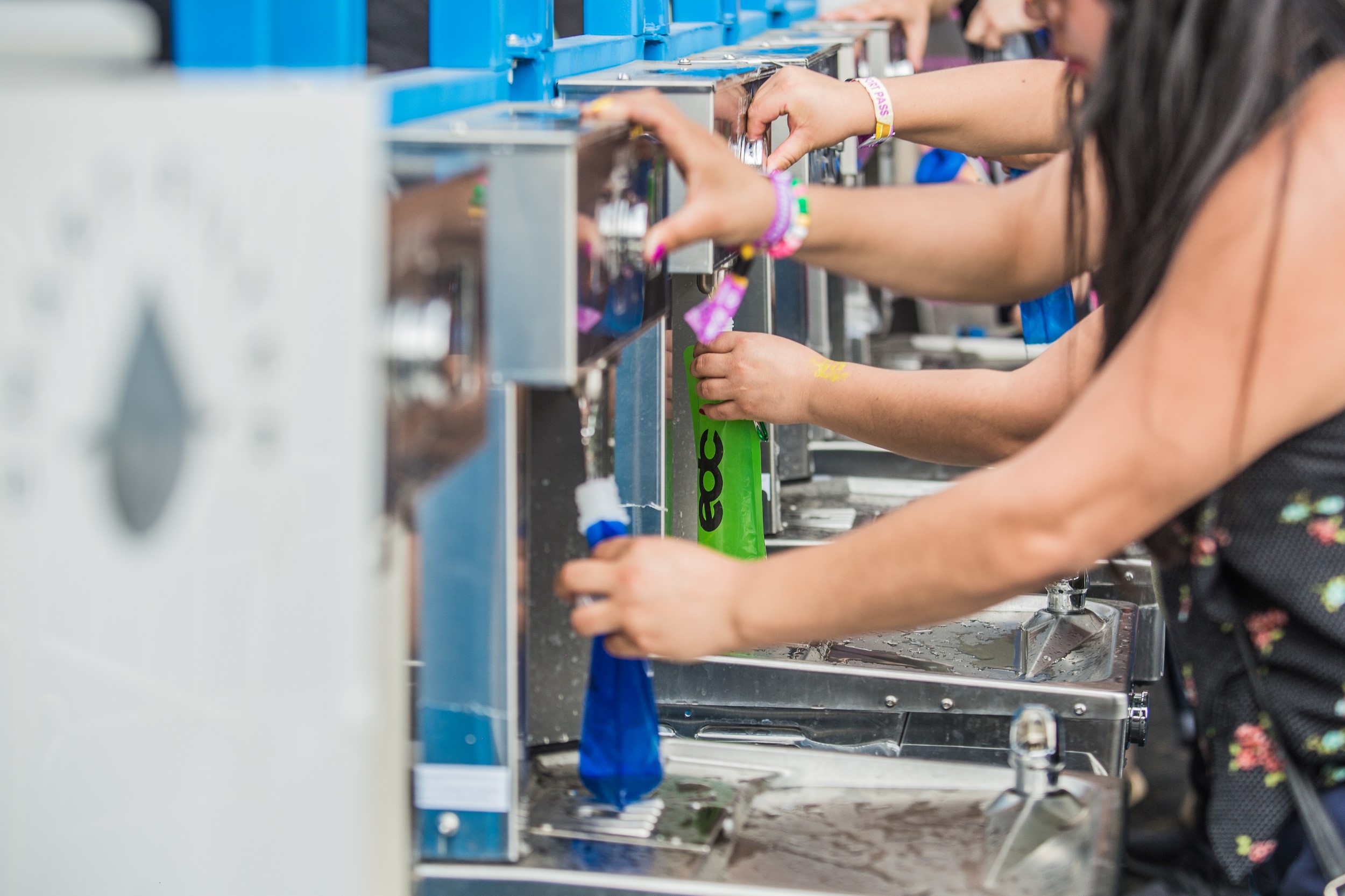
One notable example is the 2016 Rio Olympics, which were held in a region already suffering from water scarcity. Organizers took proactive steps to minimize water usage. They installed rainwater harvesting systems at various venues to collect and store rainwater, which was then used for irrigation, flushing toilets, and other non-potable purposes. This initiative has significantly reduced dependence on municipal water supplies and reduced the burden on local water resources.
Another example is the All England Lawn Tennis and Croquet Club, which hosts the Wimbledon Championships. Wimbledon has a long history of prioritizing sustainability, including water conservation. They installed a state-of-the-art smart irrigation system that monitors weather conditions and soil moisture levels in real time. This system ensures that the court receives the correct amount of water, minimizing waste while maintaining quality of play.
Beyond technology, educating fans can also create meaningful change. The Australian Open is a compelling example. They launched a “Water Stewardship Program” to raise awareness among participants about responsible water use. Through interactive exhibits and informational materials, fans were encouraged to use water wisely in restrooms and public areas. This joint effort significantly reduced water consumption during the tournament.
In conclusion, the environmental impact of sporting events on water resources is a pressing concern. However, event organizers can play a vital role in mitigating this impact through innovative solutions such as rainwater harvesting, smart irrigation systems, and fan education campaigns. These examples show that with a concerted effort, events can balance sustainability and sportsmanship, even in water-scarce areas.
energy consumption
Energy consumption during sporting events is a significant environmental issue, as many stadiums rely on fossil fuels and contribute to greenhouse gas emissions. To illustrate the importance of addressing this issue and possible solutions, let’s look at real-world examples from different stadiums around the world.
wembley stadium, england: One of the world’s most iconic sporting venues, Wembley Stadium underwent a major refurbishment in 2007. As part of this renovation, the stadium has invested in energy efficient technology. Traditional lighting was replaced with LED lighting systems, significantly reducing energy consumption and maintenance costs. The stadium also installed an efficient HVAC system to regulate temperature and reduce energy waste.
Aviva Stadium, Ireland: Aviva Stadium in Dublin, Ireland showcases the benefits of energy management systems. The stadium uses an advanced energy management system to monitor and control energy usage during events. This includes optimizing lighting and HVAC systems based on occupancy and environmental conditions. By doing so, we succeeded in significantly reducing carbon emissions.
These examples highlight the importance of reducing energy consumption in stadiums by implementing energy-efficient technologies and renewable energy sources. By following suit and adopting similar strategies, stadiums around the world can help reduce their environmental impact and inspire sustainability in the world of sport and entertainment.

waste management
Waste management at sporting events is a pressing concern due to the large amounts of waste generated. Fortunately, several real-world examples and case studies demonstrate successful strategies to address this issue while promoting sustainability.
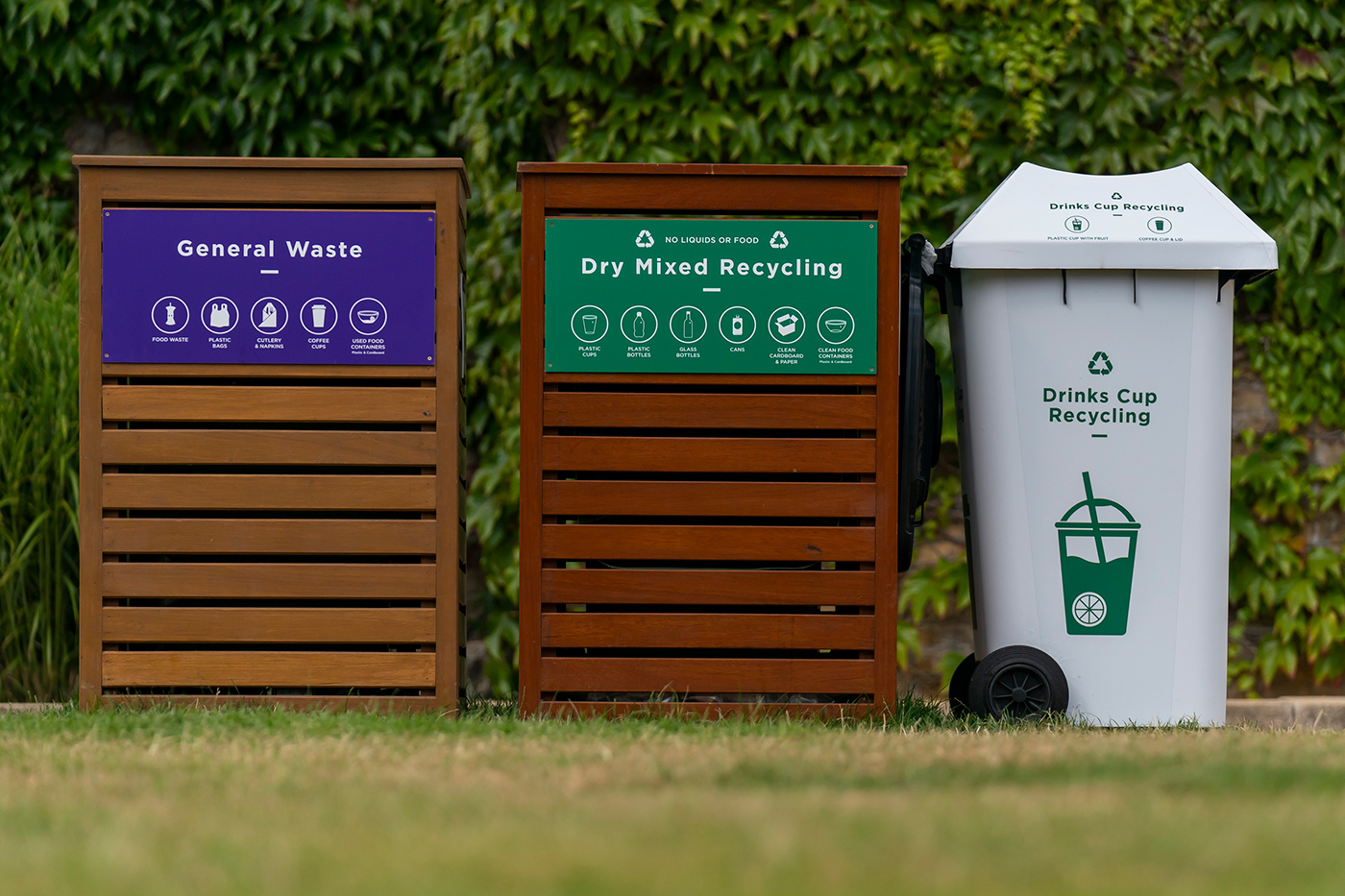
One notable example is the Seattle Mariners’ waste reduction efforts at T-Mobile Park. They implemented a strong waste management program, including the introduction of composting and recycling stations. These stations are strategically placed throughout the stadium to help fans sort their trash. By diverting organic materials from landfills through composting, the Mariners have significantly reduced their environmental footprint.
In addition to recycling, some sporting events are taking steps to reduce single-use plastics. For example, the London Marathon introduced a ‘Refill, Not Landfill’ campaign in 2019. We provided water stations with compostable cups and encouraged runners and spectators to bring reusable water bottles. This initiative not only reduced plastic waste, but also promoted responsible water consumption.
These examples demonstrate the effectiveness of comprehensive waste management strategies at sporting events. By prioritizing recycling, composting, and reducing single-use plastics, event organizers can contribute to environmental sustainability while providing a fun experience for fans.
conclusion
Sporting events have the power to bring people together and create unforgettable moments. However, it is essential to recognize and address environmental impacts. Implementing sustainable practices in transportation, venue construction, water use, waste management, energy consumption, and food and beverage provision can significantly reduce the environmental impact of these events.
As fans, athletes and organizers become more aware of the environmental impact of their actions, we have the opportunity to make sporting events more environmentally friendly. By taking steps to reduce our carbon footprint, conserve resources and minimize waste, we can ensure sport continues to inspire and entertain us, while protecting our planet for future generations.
Agen Togel Terpercaya
Bandar Togel
Sabung Ayam Online
Berita Terkini
Artikel Terbaru
Berita Terbaru
Penerbangan
Berita Politik
Berita Politik
Software
Software Download
Download Aplikasi
Berita Terkini
News
Jasa PBN
Jasa Artikel
News
Breaking News
Berita