
Skip to content
sports and society
Sports have always been more than just games. They reflect society and are a microcosm of the world’s political, cultural, and social movements. In recent years, it has become increasingly clear that sport and broader social issues intersect, with athletes and organizations taking on roles as advocates, catalysts for change, and mirrors of our collective values. This blog delves into several real-time examples to reveal how sports deeply engage with and influence political, cultural, and social justice movements.

Politics: Athlete Activism
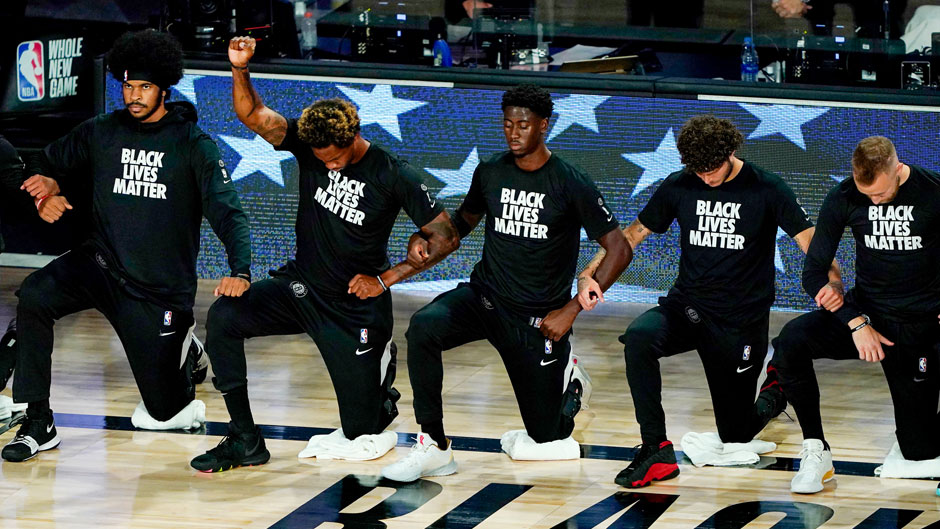
Former NFL quarterback Colin Kaepernick left an indelible mark on the sports world and American society at large with his iconic protest during the national anthem. In a simple but highly impactful act, Kaepernick took a knee on the football field during the national anthem, sparking a national debate that resonated far beyond the realm of sports.
Mr. Kaepernick’s protest was a quiet, peaceful demonstration against racial injustice and police brutality, deep-rooted problems in the United States. By taking a knee, he aimed to draw attention to the systemic racism and violence that disproportionately affects Black Americans. This unique act of defiance shocked the nation, transcending the confines of sports and penetrating the core of American society.
The significance of Kaepernick’s protests extended beyond the field of football, sparking heated debates about patriotism, freedom of expression, and the continued fight against systemic racism. It became a litmus test for how America grapples with voices of dissent and questions its own ideals.
Notably, Kaepernick’s protest attracted the attention of prominent politicians, including then-President Donald Trump, who weighed in on the controversy. Mr. Trump’s comments further amplified the national debate over Mr. Kaepernick’s actions and became the center of debate in the political arena.
Kaepernick’s courage sparked a widespread movement in the sports world. Echoing Kaepernick’s call for justice and equality, athletes from all walks of life have begun using their platforms to shine a light on social issues. They recognized their potential to make a difference and recognized the influence they were having as role models and advocates.
This wave of athlete activism didn’t just resonate with the general public. It forced politicians to address fundamental issues and prompted companies to reconsider their positions. Athletes’ willingness to speak out and take a stand has forced society to confront uncomfortable truths and engage in important conversations about racial inequality and police brutality.
In summary, Colin Kaepernick’s decision to kneel during the national anthem was a watershed at the intersection of sports, politics, and social justice. It demonstrated the power of one individual’s peaceful protest to inspire a broader movement, change the national dialogue, and force systemic change. Mr. Kaepernick’s accomplishments are a testament to the impact athletes can have when they use their voices and platforms for the greater good.
Culture: Globalization and Identity
Sport has the incredible ability to transcend geographic, cultural, and political boundaries, bringing together individuals from diverse backgrounds through a shared love of competition and athleticism. This cultural aspect of sport is most vividly exemplified by the global appeal of events such as the FIFA World Cup, the Olympics, and the NBA. These sights not only represent the pinnacle of human athleticism, but also serve as powerful platforms for cultural exchange and diplomacy on the world stage.
One memorable example of sports diplomacy occurred during the 2018 Winter Olympics, when North and South Korea took the historic move of marching together under a unified flag. The gesture symbolized hope for reconciliation and cooperation between the two countries amid tense political relations. This highlights how sport can act as a bridge and promote dialogue and understanding in situations where traditional diplomacy can come to a standstill.
Moreover, the NBA’s growing influence in China brings to the forefront the complex interplay between cultural values and economic interests. The League’s presence in China has highlighted the challenges and ethical dilemmas that arise when multinational companies deal with cultural differences and human rights issues. Controversies over censorship and free speech in this context have sparked a global debate about the responsibility of companies operating in diverse cultural landscapes.
Sports also have a significant impact on the formation of individual and group identities. Athletes from marginalized communities often become symbols of hope and progress, challenging stereotypes and inspiring a sense of belonging for underrepresented groups. When such athletes succeed on the world stage, it not only enhances their personal standing, but also amplifies the pride and self-esteem of their communities. This phenomenon demonstrates the transformative potential of sport to challenge social norms and reshape perceptions.
At its core, sports are about more than just competition. They serve as powerful tools for diplomacy, cultural exchange, and identity formation. Their ability to unite people regardless of background highlights the universality of human relationships and the positive impact that can be achieved when people come together in a spirit of competition and friendship.
Social justice movements: BLM and beyond
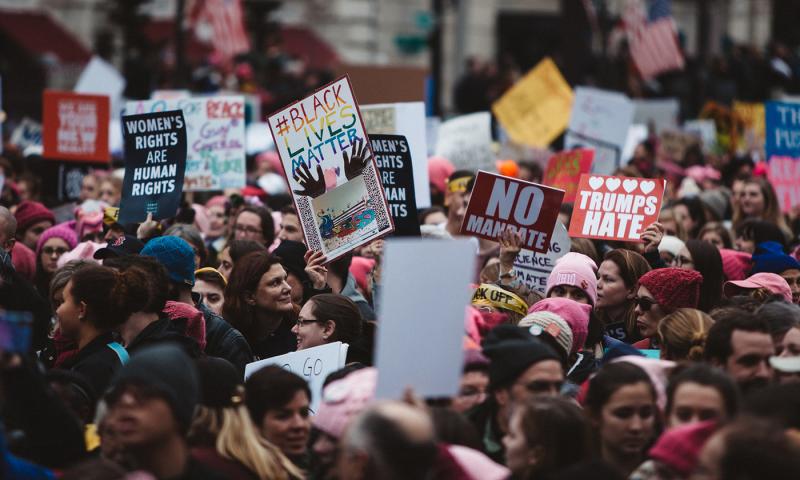
2020 marked a pivotal moment in the history of the Black Lives Matter (BLM) movement with the tragic death of George Floyd. This momentous event not only sparked protests and demonstrations across the United States, but also inspired athletes from various sports to lend their voices and platforms to demand justice and equality.
Prominent figures like LeBron James from across the NBA and WNBA have supported BLM and used their influence to raise awareness about systemic racism and police brutality. Their actions extended far beyond the stadium, to social media, press conferences, and even organizing their own rallies. Athlete-led efforts were the driving force behind expanding the movement’s reach and impact.
In response to these impassioned calls for justice, sports organizations have been forced to confront their own histories of racial inequality. The National Football League (NFL), long criticized for its handling of player protests, has pledged to address racial injustice, signaling a major shift in stance. The Washington Football Team, previously known for its controversial and offensive name, also acknowledged the need to right a historic wrong and took the important step of changing its name and logo.
The influence of athletes and sports institutions in driving social change is undeniable. Beyond symbolic actions, many leagues and teams have taken concrete actions, such as issuing league-wide statements supporting BLM and committing to social justice initiatives. These efforts demonstrate a growing understanding within the sports world of the importance of using our platforms to bring about positive change in society.
The relationship between sports and social justice organizations has become increasingly symbiotic. Athletes realized the immense power they had to effect change and used it to shine a spotlight on important issues. At the same time, sports organizations realized that they could no longer remain neutral or indifferent to the issues plaguing society. This intersection of sport and athleticism highlighted that athletes and sports organizations can wield significant influence in advancing the fight for social justice.
conclusion
There’s no denying that sports are connected to politics, culture, and social justice movements. Through the activities of athletes, sport functions as a vehicle for political discussion. They bridge cultural gaps and provide a platform for diplomacy. Additionally, they amplify social justice movements and drive change within the sports organizations themselves.
As we move forward, it is essential that we recognize the power of sport to shape society and have thoughtful conversations about the role of athletes and sports organizations in addressing pressing social issues. The world of sports is more than just fields and courts. It is a mirror that reflects our values, aspirations, and the changes we want to see in the world.
Agen Togel Terpercaya
Bandar Togel
Sabung Ayam Online
Berita Terkini
Artikel Terbaru
Berita Terbaru
Penerbangan
Berita Politik
Berita Politik
Software
Software Download
Download Aplikasi
Berita Terkini
News
Jasa PBN
Jasa Artikel
News
Breaking News
Berita